
You’ve probably searched “freelance writing jobs for beginners” at least once, maybe while stuck in a 9-to-5 that drains your energy or scrolling job boards, wondering how you’ll land anything without experience. Maybe you love writing but have no idea how to get paid for it, or where to even begin.
That feeling? You’re not alone.
The truth is, thousands of beginners launch profitable freelance writing careers every year with no formal degree, zero clips, and a blank Google Doc. The only thing they have in common is the right guidance, a focused plan, and the right tools to speed up the journey.
In this guide, you’ll learn exactly what freelance writing jobs are available for beginners, where to find them, what skills you need, and how to land your first client (even if you’ve never written for money before). We’ll also show you how to fast-track your progress using tools many pros use behind the scenes.
What Are Freelance Writing Jobs for Beginners?
Freelance writing jobs for beginners are remote or contract-based writing opportunities that require little to no professional experience and typically involve entry-level content types like blogging, SEO writing, product descriptions, or social media posts on platforms such as Upwork, Fiverr, and ProBlogger.
Put simply, these are writing gigs anyone can apply for, even without a degree or a published portfolio. Beginners can get hired by small businesses, content agencies, or online platforms that need help with blogs, newsletters, product content, and more. The best part? Many of these jobs are remote and flexible, making them ideal for students, side-hustlers, and career changers looking to earn money with their words.
Best Freelance Writing Jobs for Beginners in 2026
If you’re just getting started, not all writing jobs are created equal. Some require technical knowledge or industry-specific expertise. Others are beginner-friendly, fast to learn, and ideal for portfolio-building.
| Job Type | What You’ll Write | Average Beginner Pay | Why It’s Beginner-Friendly |
|---|---|---|---|
| Blog Writing | How-to articles, listicles, tips | $30–$60 per 1,000 words | Easy to research and practice |
| SEO Content Writing | Keyword-focused posts for websites | $0.03–$0.10 per word | High demand, learnable with tools |
| Copywriting | Product descriptions, landing pages | $50–$100 per page | Fast projects, creative & varied |
| Email Writing | Welcome sequences, newsletters | $25–$75 per email | Short-form, great for conversion work |
| Social Media Writing | Captions, posts, threads | $15–$50 per piece/post | Fun, informal, fast-paced |
Many beginners combine blog writing with SEO content to quickly build samples. These projects are often found on job boards like ProBlogger or Fiverr and are ideal for building a versatile beginner portfolio.
Where to Find Legit Freelance Writing Jobs (No Experience Needed)
When you’re just starting out as a freelance writer, one of the hardest things to figure out is where to find real, paying jobs without falling into scams or wasting hours on lowball offers. The good news? There are beginner-friendly platforms and communities where new writers can get their foot in the door, build a portfolio, and start earning.
Let’s break it down.
Trusted Platforms for Beginners
These websites are known for offering legitimate, entry-level freelance writing opportunities. They’re ideal if you have little or no experience but want to build momentum fast:
- Upwork: A large freelance marketplace with thousands of writing gigs. While competitive, it’s great for beginners who can price strategically and pitch well.
- Fiverr: A gig-based platform where you set your own offers (e.g., “I’ll write a 500-word blog post”). Best for productized services like bios, website copy, and emails.
- FlexJobs: A curated job board that screens listings for legitimacy. It’s subscription-based, but low competition and high trust make it worthwhile for many beginners.
- ProBlogger Job Board: One of the top places to find paid blogging jobs. Ideal if you’re comfortable writing blog posts or long-form content.
- Contently / ClearVoice: Portfolio-based platforms where you apply once and, once accepted, can access higher-paying gigs from vetted clients.
Pro Tip: Start with 2–3 platforms and focus on building strong reviews and samples instead of spreading yourself too thin.
Other Overlooked Job Sources
Some of the best freelance writing gigs never make it to public job boards. Here’s where to look:
- LinkedIn: Many small businesses post writing needs casually via updates or comments. Optimize your profile and start cold messaging (a well-written pitch goes a long way).
- Facebook Groups: Look for groups like Freelance Content Marketing Writer or Copywriter Café. Members often share real leads, and clients occasionally post directly.
- Reddit Communities: Subreddits like freelanceWriters or hireawriter can surface gigs, warnings, and advice from other freelancers.
Insider Insight: Many first clients come from warm leads, think: friends of friends, previous coworkers, or that person on LinkedIn who liked your blog post.
Beginner Red Flags to Avoid
It’s easy to get discouraged when the first gigs you find look shady. Watch out for these common red flags:
- Sites that charge you to apply (legit platforms don’t make money off applicants)
- Clients who refuse to give details about themselves or their business
- Promises of “$100/day” jobs that require no effort, experience, or context
- Requests for free work or test pieces without an agreement
If it sounds too good to be true, it probably is.
Finding real freelance writing jobs as a beginner is totally possible; you just need the right roadmap, a little grit, and awareness of which paths to trust. Start with one platform, build samples, and stay consistent. With time, the right opportunities start coming to you.
What You Need to Start Freelance Writing Today
Let’s clear something up right away: you don’t need a journalism degree, a published article, or years of experience to become a freelance writer. But you do need to equip yourself with a few foundational skills and tools that help you look and work like a pro from day one.

Here’s what matters most when starting out:
Solid Writing Fundamentals
Clients aren’t expecting you to write like a Pulitzer winner, but they do expect clean, readable content that serves a purpose.
Make sure you’re comfortable with:
- Grammar and clarity: Tools like Grammarly or Hemingway can help tighten your writing.
- Structure: Know how to write listicles, how-to articles, product descriptions, and blog intros.
- Tone matching: Can you sound casual, professional, or playful depending on the brand? That’s a valuable skill.
Tip: Start by rewriting popular blog intros or product blurbs from real websites as practice.
Beginner-Level SEO Know-How
Even basic SEO understanding can set you apart. It shows clients you’re more than “just a writer”; you help their content get found.
Focus on learning:
- How to use keywords naturally (no keyword stuffing!)
- What headings (H1-H3) do for structure and readability
- How to write meta descriptions that make people click
- Why internal linking boosts page authority
There are dozens of free beginner SEO guides, and you’ll pick it up faster than you think.
Comfort with WordPress
Many clients will ask you to upload or format content directly on WordPress, the world’s most popular content management system.
At a minimum, learn how to:
- Navigate the WordPress dashboard
- Use the Gutenberg editor to format posts
- Install and use basic plugins like Yoast SEO or Rank Math
If you’re publishing your own samples or portfolio, WordPress is also your best bet. Choose a clean theme, add a few sample posts, and boom, you’re live.
Time-Saving AI Tools (Secret Weapon for Beginners)
This is where smart writers stand out.
If you want to publish faster, write more confidently, or overcome “blank page” syndrome, AI writing tools are your behind-the-scenes co-pilot.
With a good WordPress AI plugin, you can go from topic idea to fully drafted writing sample in under an hour. It’s like having a brainstorming buddy and a rough-draft machine in one.
These tools help you:
- Generate blog outlines and intros
- Repurpose articles into emails or social posts
- Write your first samples quickly without starting from scratch
And since they integrate directly with WordPress, you can optimize and format your post as you write, making your workflow seamless.
How to Build a Freelance Writing Portfolio from Scratch
If you’re just starting out, one of the first questions you’ll face is: “How do I prove I can write if I’ve never been paid to do it?” The answer? You don’t need a client to start building credibility; you need a strategic portfolio.
Here’s how to craft a beginner-friendly freelance writing portfolio that shows off your skills, even with zero professional experience.
Step 1: Write 2-3 Spec Samples in Your Target Niche
Spec pieces are sample articles you create on your own to demonstrate your writing style, subject knowledge, and structure. They’re especially helpful if you’re aiming for a specific type of work (like blog posts, SEO content, or copywriting).
How to choose what to write:
- Pick 1–2 niches you’re curious about or have personal experience with, like health, tech, parenting, or finance.
- Write evergreen topics beginners can easily research, like “5 Easy Fitness Tips for Busy Professionals” or “What Is SaaS Copywriting?”
Where to publish them:
- Medium or Substack (easy, no setup)
- Your own WordPress blog (adds credibility and SEO control)
- Even a shared Google Doc can work as long as it’s polished and public
Use AI to Brainstorm and Draft Smarter (Not Lazier)
Coming up with content ideas or writing from scratch can feel overwhelming. That’s where your AI writing assistant or WordPress plugin becomes a game-changer.
Use AI to:
- Generate headline ideas based on your niche
- Build outlines you can flesh out with research and voice
- Create first drafts to edit and personalize
Bonus: Tools that integrate directly with WordPress help you format and optimize your samples before you even hit “Publish.”
Step 2: Build a Clean, Simple Online Portfolio
Once your samples are ready, don’t hide them in your downloads folder; showcase them professionally.
If you use WordPress (highly recommended):
- Choose a clean, fast-loading theme like Astra, Neve, or GeneratePress
- Create a dedicated “Portfolio” or “Writing Samples” page
- Embed your articles or link to them directly
- Add short descriptions (1-2 lines) for context
If you’re not ready for a personal site yet, tools like JournoPortfolio, Clippings.me, or LinkedIn’s Featured section can work as free, temporary alternatives.
Remember: Clients aren’t looking for perfection; they’re looking for clarity, structure, and your ability to write for real people. A small, focused portfolio beats a massive, scattered one every time.
Choosing a High-Paying Niche as a Beginner
One of the fastest ways to stand out as a new freelance writer? Pick a niche. Instead of writing about everything, focus on one or two topics you enjoy or want to master. This helps you attract better-paying clients, position yourself as a specialist, and build a portfolio that screams “expert” even if you’re just starting out.
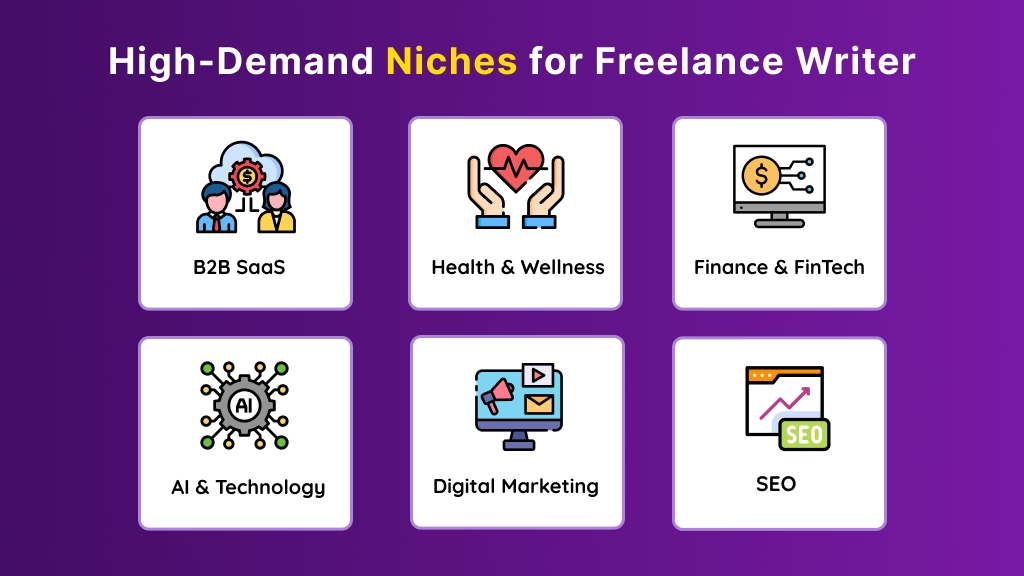
But which niches make sense for beginners? Let’s break it down.
High-Demand Niches That Welcome Beginners
These are popular, profitable, and easy to break into without years of experience:
- SaaS & Tech: Think app tutorials, software reviews, or AI tools. These brands often need writers to explain features in a simple, friendly way.
- Finance & Budgeting: From personal finance blogs to crypto explainers, there’s a massive demand here. Just be sure to double-check facts!
- Health & Wellness: Great if you’re into fitness, mental health, or natural living. Many wellness blogs need SEO-friendly content with a human voice.
- Marketing & B2B: If you’re curious about funnels, email copy, or case studies, this space pays well and often has repeat clients.
Each of these niches aligns with common freelance platforms like Upwork, Fiverr, and ProBlogger, where clients are actively hiring beginner writers for blog posts, how-tos, and product content.
Avoiding Scams & Low-Paying Gigs (New Writers Must Know)
Freelance writing has the potential to open doors to flexibility, creativity, and solid income, but for beginners, it can feel like navigating a minefield. With limited experience, new writers often become targets for shady offers, exploitative clients, or platforms that pay far less than their work is worth.
Let’s walk through how to protect yourself, spot the red flags early, and find legit freelance writing jobs that respect your time and talent.
Red Flags to Avoid at All Costs
If you’re brand new and eager for work, it’s easy to overlook warning signs. Here’s what never to say yes to:
- Pay-to-play schemes: Any client or site that requires a fee just to apply or join is a major red flag. Legit platforms like Upwork or ProBlogger never ask you to pay upfront to access jobs.
- Anonymous job listings: If you can’t find a company name, client profile, or contact info, proceed with caution, or not at all.
- Unrealistic pay rates: Offers like “$5 for a 1,000-word article” are not opportunities; they’re exploitation. That’s barely one cent per word. You’re worth more.
If it sounds too good (or too vague) to be true, it usually is.
Automate Your Freelance Workflow (With AI Tools)
Starting out as a freelance writer can feel overwhelming, especially when you’re suffering from pitches, deadlines, and learning how to structure a blog post from scratch. But here’s the good news: you don’t have to do it all manually.
Modern AI writing tools and WordPress plugins are like having a behind-the-scenes writing assistant. They help you turn a rough client brief, or even just a topic idea, into a structured, SEO-optimized article much faster than going it alone.
What Can AI + WordPress Tools Actually Do?
With the right plugin, especially one integrated into your WordPress editor, you can:
- Generate ideas and outlines based on trending topics or keywords
- Draft blog posts, emails, or landing pages in your tone of voice
- Optimize content in real-time with built-in SEO analysis (think meta descriptions, readability scores, and keyword usage)
- Auto-format content using Gutenberg blocks or drag-and-drop editors
- Schedule and publish directly from your dashboard without copy-pasting between tools
For new writers without experience, this kind of workflow is game-changing. It allows you to create writing samples quickly, meet client expectations efficiently, and spend more time learning and earning.
Pro Tip: Look for AI plugins with built-in SEO scoring, content planning, and real-time suggestions. These features aren’t just helpful; they give beginners a professional edge right from day one.
Final Thoughts
You don’t need years of experience or a perfect portfolio to land your first freelance writing job. What you need is a clear path, a bit of confidence, and the willingness to take that first imperfect step.
Start by choosing a beginner-friendly niche, write 1–2 simple samples, and apply to a few vetted job boards. With consistency and curiosity, you’ll improve faster than you think.
And if you’re feeling stuck? Use the tools available to you.
An AI-powered WordPress plugin can help you go from blank page to published post, drafting ideas, optimizing for SEO, and formatting your content with ease. It’s like having a creative assistant built into your blog.
Take action today. Build your first sample. Publish your first post. Pitch your first client.
You don’t have to be an expert to get hired; you just have to get started.
Frequently Asked Questions (FAQs)
1. Do I need a degree to get freelance writing jobs as a beginner?
No, most freelance writing jobs don’t require a degree. Clients care more about writing samples, clear communication, and reliability. Beginners can create sample pieces or use a blog or portfolio site to showcase skills.
2. What are the best freelance writing platforms for beginners?
Top beginner-friendly platforms include Upwork, Fiverr, FlexJobs, and the ProBlogger Job Board. These sites offer entry-level blog writing, SEO content, and copywriting gigs suitable for new freelancers with no experience.
3. How much can a beginner freelance writer earn?
Beginner freelance writers typically earn $0.03–$0.10 per word, or $30–$100 per article. Rates increase as you gain experience, specialize in niches like SaaS or finance, and build a strong client base.
4. How do I build a freelance writing portfolio with no experience?
You can create 2–3 “spec” articles and publish them on Medium, LinkedIn, or your own WordPress blog. Tools like AI writing plugins can help you outline, draft, and format samples quickly and professionally.
5. Are freelance writing jobs legit for beginners, or are there scams?
Yes, many freelance writing jobs are legit, but scams exist too. Avoid gigs that ask for upfront payments or lack clear client info. Stick to trusted platforms and always use secure payment methods like PayPal or escrow.
6. Can I use AI tools to help with freelance writing?
Absolutely. AI tools can assist with brainstorming, outlining, and drafting blog posts. WordPress plugins with AI integration also help optimize content for SEO and speed up your workflow, perfect for beginners.
7. Which writing niches are easiest for beginners to break into?
Beginner-friendly niches include lifestyle blogging, health and wellness, product reviews, and SEO content writing. These areas have lower entry barriers and plenty of demand on platforms like Upwork and Fiverr.
8. How do I get clients if I’m just starting and don’t have testimonials?
Start by applying to smaller gigs on freelance job boards. You can also cold-pitch businesses or offer a free sample. A well-organized online portfolio builds trust even if you’re new.
9. Can students or teens do freelance writing part-time?
Yes! Many teens and students take on freelance writing jobs to earn part-time income. Start with platforms that allow under-18s or publish your work on Medium, then use those samples to pitch real clients.
10. What’s the fastest way to get my first freelance writing job?
Create 1–2 writing samples in a popular niche, set up a simple WordPress or LinkedIn portfolio, and apply to 5–10 entry-level jobs on trusted freelance platforms. Use AI tools to speed up your workflow.
This page was last edited on 1 April 2026, at 12:19 pm