You’re staring at a blinking cursor. No bylines, no clients, no “real” portfolio. Just a big idea: maybe freelance writing is your way out of the 9-to-5 grind, or into something more creative, flexible, and remote-friendly.
But there’s a problem. Everyone seems to be an expert. The guides are either too fluffy, too outdated, or too overwhelming. AI tools are everywhere, and platforms like Upwork feel like a noisy room of people shouting for gigs.
Sound familiar?
This guide is your no-BS roadmap on how to Get Started Freelance Writing. You’ll learn how to write your first spec piece, pick a niche that actually pays, build a clean writer portfolio, land your first client (without begging), and use tools like an AI writing plugin inside WordPress to save time, look pro, and write smarter.
Let’s break down the chaos and build your freelance writing career from scratch.
What Is Freelance Writing?
Freelance writing is the practice of creating written content, such as blog posts, emails, website copy, or case studies, for clients as a self-employed contractor rather than an in-house employee. Freelance writers typically choose a niche, build a portfolio, pitch clients, and use tools like WordPress AI content assistants to manage their workflow and publishing.
In simple terms, freelance writing means turning your ability to communicate through words into a paid service. You don’t need a degree or previous experience to begin. What you do need is the ability to write clearly, meet deadlines, and understand what your client’s audience cares about. Many writers today get started by publishing spec samples, building a basic WordPress site, and using tools like ChatGPT, Notion, or GrammarlyGO to improve speed and quality. Whether you’re writing for B2B SaaS blogs, marketing emails, or LinkedIn thought leaders, freelance writing is a flexible career path built on value, not credentials.
Read More: How to Become a Freelance Writer?
5 Steps You Truly Need to Start Freelance Writing
Spoiler: It’s Not a Degree!
Forget what you’ve heard, clients don’t care about your GPA. What they want is clear, helpful writing and a sign that you can meet deadlines.
If you’re starting from zero, your first step is to create spec pieces, writing samples that showcase your skills, even if they weren’t paid gigs. Think of them as “demo reels” for your writing.
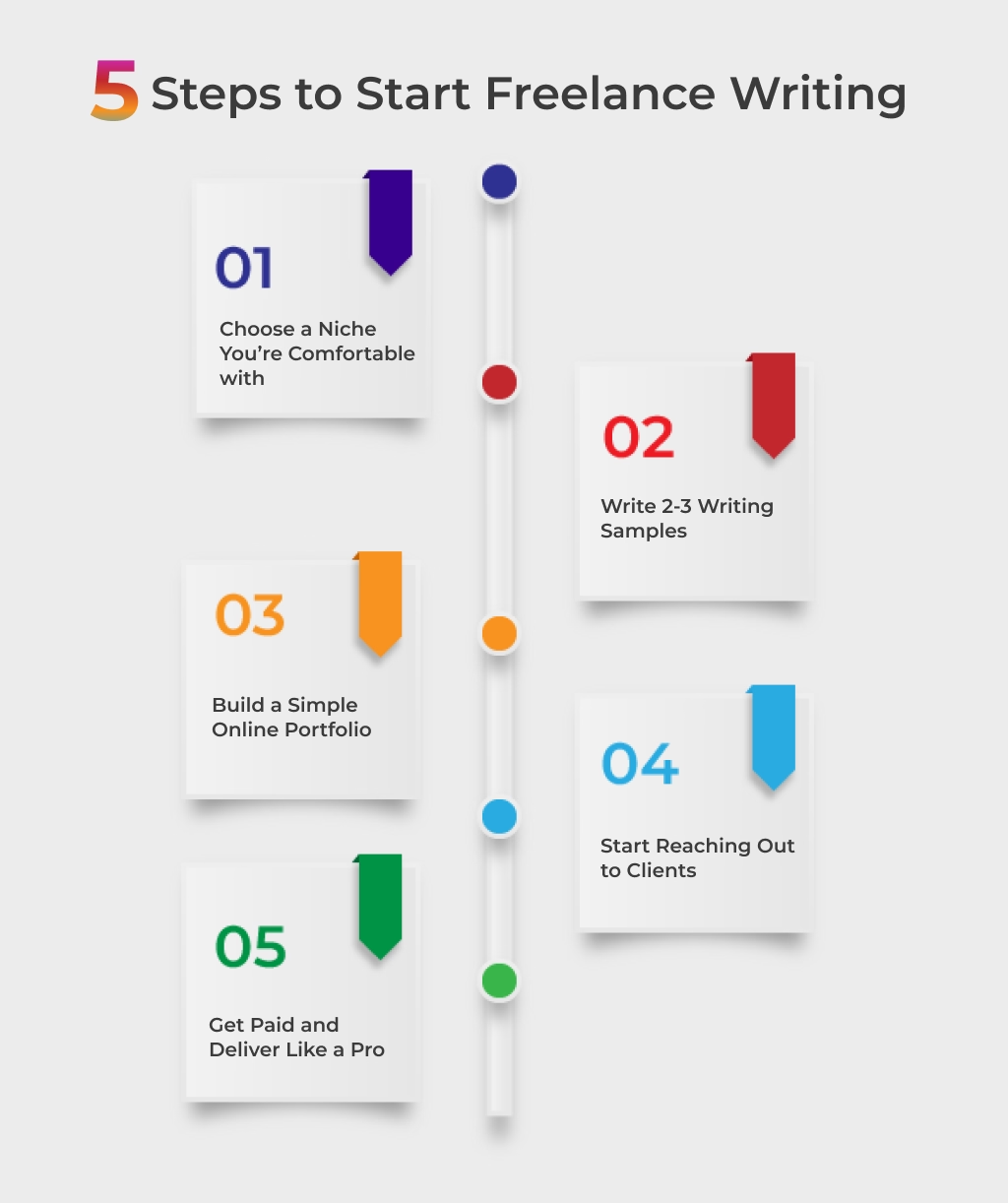
Step 1: Choose a Niche You’re Comfortable with
Think of your niche as your focus area, not a limitation, but a launchpad. Picking a niche helps clients find you, helps you build trust faster, and makes writing easier since you’re working within a familiar topic. You don’t have to be an expert to begin, just pick a space you’re willing to learn, research, and grow into. Clients want someone who understands their world and audience, not a generalist who writes “about anything.”
Strong beginner niches include:
- Tech & SaaS (software and apps)
- Health & wellness (mental health, fitness, nutrition)
- Finance (personal finance, investing, fintech)
- Education (edtech, course creators, tutors)
- Sustainability, clean energy, eco-brands
- Productivity, remote work, and AI tools
You can experiment and evolve over time, but choose one to start. It will make every next step faster and clearer.
Step 2: Write 2-3 Writing Samples (Spec Pieces)
Clients won’t ask you where you went to school; they’ll ask for samples. If you don’t have client work yet, you can create your own samples, called spec pieces. These aren’t fake; they’re your best representation of what you can deliver. Make them look and read like real business content. Even one strong sample can land your first paid project.
Here’s what you can create as spec pieces:
- A blog post solving a problem in your niche (e.g., “5 Mistakes Small Businesses Make With SEO”)
- An email welcome series for a fictional wellness brand
- A landing page or product description for a made-up app or digital course
Use formatting (headers, bullet points, short paragraphs). Aim for clarity over cleverness. Focus on showing you understand how writing solves a goal, not just that you can write well.
Helpful tools:
- ChatGPT for outlining, rewriting, or tone suggestions
- Grammarly or Hemingway for grammar and readability
- Canva or Notion, if you want to create a styled PDF version
Step 3: Build a Simple Online Portfolio
You need a place to showcase your samples. This doesn’t need to be a full website (yet), but it should be professional, easy to navigate, and clear about what you offer. Your portfolio gives potential clients a reason to trust you and makes you look instantly more credible than someone just emailing samples as attachments.
Your portfolio should include:
- A short intro (1-2 lines about who you are and what you write)
- Your 2-3 writing samples (linked or embedded)
- A clear way to contact you (email, form, or “Work With Me” button)
- Optional: a mini “About Me” section for personality and background
Tools and platforms you can use:
- WordPress: best for long-term control and branding
- Medium: great for blog-style samples
- Clippings.me or JournoPortfolio: portfolio builders for writers
- Substack: good for long-form, newsletter-style writing
Use a WordPress AI plugin if you want to build quickly with blocks, formatting help, and built-in SEO features.
Step 4: Start Reaching Out to Clients
This step is where most writers hesitate, but it’s the most important. Once you’ve got samples and a portfolio, it’s time to let people know you’re available for hire. You don’t need a massive network or social media following. Start with direct, respectful outreach. Your first clients will often come from people already looking for help, but they need to know you exist.
Where to look:
- LinkedIn: search for content managers, founders, or small business owners
- Niche directories: search startup lists, local businesses, or service providers
- Job boards: ProBlogger, Working Not Working, Peak Freelance
- Twitter/X or Facebook groups: join your niche’s communities
- Personal network: tell friends, post on your socials, or reach out to local contacts
What to include in a pitch:
- Who you are and what you write
- Why you’re reaching out (mention something specific about them)
- A link to your portfolio or a relevant sample
- A kind, short offer (e.g., “I’d love to help with blog content if you’re open to it.”)
Use AI tools to draft your cold emails faster or personalize pitches based on each lead.
Step 5: Get Paid and Deliver Like a Pro
When someone says “yes,” here’s how you move forward like a pro. You don’t need to be perfect, but you do need to be reliable, clear, and organized. Clients remember how easy or difficult you are to work with.
Here’s what to do after getting a yes:
- Confirm project details: topic, word count, format, deadline, rate
- Send an invoice (use PayPal, Wise, or Wave), ask for 50% upfront if possible
- Deliver the work on time in Google Docs (or their preferred format)
- Accept feedback with a professional attitude and revise if needed
- Ask for a testimonial or permission to feature the work in your portfolio
Beginner pricing ranges (2026 standard):
- Blog post: $100-$250
- Email series: $200-$400
- Hourly editing: $30-$60/hr
Track your work with simple tools like Notion, Trello, or even a Google Sheet. Over time, build systems that work for you.
Read More: What Are the Key Responsibilities of a Freelance Writer?
The Essential Tool Stack for Writers in 2026
In today’s fast-moving digital world, successful freelance writers use more than just talent; they use smart tools to save time, stay organized, and deliver better work. Whether you’re writing blog posts, managing clients, or building your portfolio, the right tools make everything easier.
Here’s a list of essential platforms and apps to help you write faster, polish your work, and run your writing business more efficiently.
Must-Have AI Writing Tools
- WriteRush: Analysis, outline, draft, publish
- ChatGPT (GPT-4): research, outline, drafts
- Perplexity.ai: fact-checking with sources
- GrammarlyGO / QuillBot: tone & clarity edits
WordPress as Your Command Center
With WordPress 7.0, you can:
- Use AI blocks for content formatting
- Create multilingual portfolios with no extra plugins
- Integrate your CMS with lead magnets or email flows
Add-on Tools
- WriteRush: speed up your writing process inside WordPress with built-in AI assistance for brainstorming, outlining, and drafting content
- Notion: content calendar, client notes
- Trello: kanban for projects
- Otter.ai: transcribe interviews or calls
Use tools to free up mental bandwidth, not complicate your workflow.
Your 30-Day Freelance Writing Launch Plan
This 30-day plan is designed to help you go from zero to your first paying client step by step. Whether you’re starting with no experience or rebuilding momentum, these weekly goals will guide you through choosing a niche, creating writing samples, building a portfolio, pitching clients, and landing your first gig, all in just one month.
Follow it as-is or adjust based on your pace.
Week 1: Pick a niche, research 10 companies, write 1 spec piece
Week 2: Set up your portfolio and connect with 10 leads on LinkedIn
Week 3: Send 30 Letters of introduction and follow up with 10
Week 4: Land your first gig, ask for feedback, upsell a package
Repeat. Tweak. Scale.
Final Thoughts
You don’t need more theory; you need momentum.
Your first step is to create that spec piece. Use AI to outline it, write it, and polish it. Then publish it with a clean WordPress setup that positions you as the pro you’re becoming.
Freelance writing in 2026 isn’t about who shouts loudest. It’s about showing up with clarity, tools, and confidence.
Start today. Your first client might be one pitch away.
Frequently Asked Questions (FAQs)
1. Can I start freelance writing with no experience?
Yes, you can start freelance writing even if you’ve never been paid to write before. Create a few sample pieces (spec work) to showcase your skills, choose a niche, and begin reaching out to potential clients.
2. What do I need to become a freelance writer?
All you need to start is basic writing ability, 2-3 writing samples, and a way for clients to contact you, like a portfolio or profile. You don’t need a degree, certification, or previous job title.
3. Do I need a portfolio to get my first freelance writing job?
Yes, a portfolio helps clients trust you. Even if it’s simple, a portfolio with 2–3 writing samples shows your style, strengths, and professionalism, essential for landing your first gigs.
4. How do I create writing samples if no one has hired me yet?
You can create “spec pieces”, samples you write yourself based on real-world topics or formats, like blog posts or product descriptions. Treat them like client work, and make them polished and niche-specific.
5. Where can I find freelance writing clients as a beginner?
Start with job boards like ProBlogger, reach out directly to businesses in your niche, or connect with marketing managers on LinkedIn. Many writers land first clients by cold pitching or referrals.
6. How much should I charge as a new freelance writer?
Beginner rates typically range from $100 to $250 for blog posts or $30-$60 per hour. Your pricing can increase quickly with experience, niche focus, and consistent results.
7. What niche should I choose for freelance writing?
Pick a niche that combines your interests and industries with consistent demand, like personal finance, tech, SaaS, health, or education. A focused niche helps you attract better clients faster.
8. Is it okay to use AI tools as a freelance writer?
Yes, many freelance writers use AI tools to brainstorm, draft, or edit faster. Just make sure the final result is original, clear, and aligned with the client’s voice and audience.
9. Do I need a WordPress website to start freelance writing?
Not necessarily. You can start with a portfolio on Medium, Substack, or Clippings.me. But WordPress gives you more control and flexibility as you grow and want to showcase more work.
10. How long does it take to get your first freelance writing client?
Some writers land their first client within a week, while others take a month or more. The key is consistent pitching, networking, and improving your samples.
This page was last edited on 16 February 2026, at 3:15 pm