Quick Answer
AI blogging means using artificial intelligence writing tools to create, optimize, or automate blog posts. These AI assistants help bloggers quickly generate ideas, draft content, edit for SEO, and improve workflow—enabling faster, scalable blog creation without sacrificing quality.
If you’ve ever stared at a blank page with looming deadlines, you know the pressure that comes with modern blogging. The need to deliver more content—faster, and with higher SEO standards—can be overwhelming, whether you run a personal blog, manage a business site, or lead a marketing team. Couple that with limited resources and constantly shifting Google rules, and it’s easy to feel stuck or burnt out.
Enter AI blogging. It promises more than automation—it creates new space for creativity, efficiency, and smarter publishing workflows. This guide will break down what AI blogging really is, how it works behind the scenes, why it matters, and most importantly, how you can use AI tools (like WriteRush and others) to publish better, faster, and with confidence—especially if you’re a WordPress user or content marketer aiming for consistent results.
What Is AI Blogging?
AI blogging is the use of artificial intelligence-powered writing assistants and content tools to help research, write, edit, and optimize blog posts. These systems can generate topic ideas, draft articles, improve grammar, ensure SEO best practices, and even publish content directly on platforms such as WordPress.
At its core, AI blogging blends human expertise with the efficiency of machine learning. Tools like ChatGPT, Jasper, and WriteRush analyze data, understand search intent, and produce structured drafts in seconds. The result? Bloggers, marketers, and teams can scale content production while maintaining consistent quality, freeing up time for strategic storytelling and brand development.
Why AI Blogging Matters for Modern Content Creators
AI blogging matters because today’s content landscape is more demanding and competitive than ever. Consistently publishing quality content is now a necessity—not a luxury—for bloggers, marketers, and business owners.
The Acceleration of Content Demands
These days, publishing expectations are high. Businesses want to cover more audience segments, address dozens of keywords, and react quickly to trends or algorithm changes. Manual workflows just can’t keep pace.
Powering Growth for Bloggers, Marketers, and Businesses
AI writing tools break through bottlenecks like writer’s block and content ideation fatigue. Marketers benefit from data-driven suggestions, while WordPress users can streamline their entire workflow—especially when AI is integrated directly into their publishing platform.
SEO, E-E-A-T, and Staying Visible
With Google prioritizing trustworthy, authoritative, and useful content (following E-E-A-T guidelines: Experience, Expertise, Authoritativeness, Trustworthiness), AI tools help optimize for SEO, maintain a consistent voice, and ensure your content meets evolving quality standards.
Ultimately, AI isn’t just about speed—it’s about creating space for quality and growth.
How to Get Started with AI Blogging
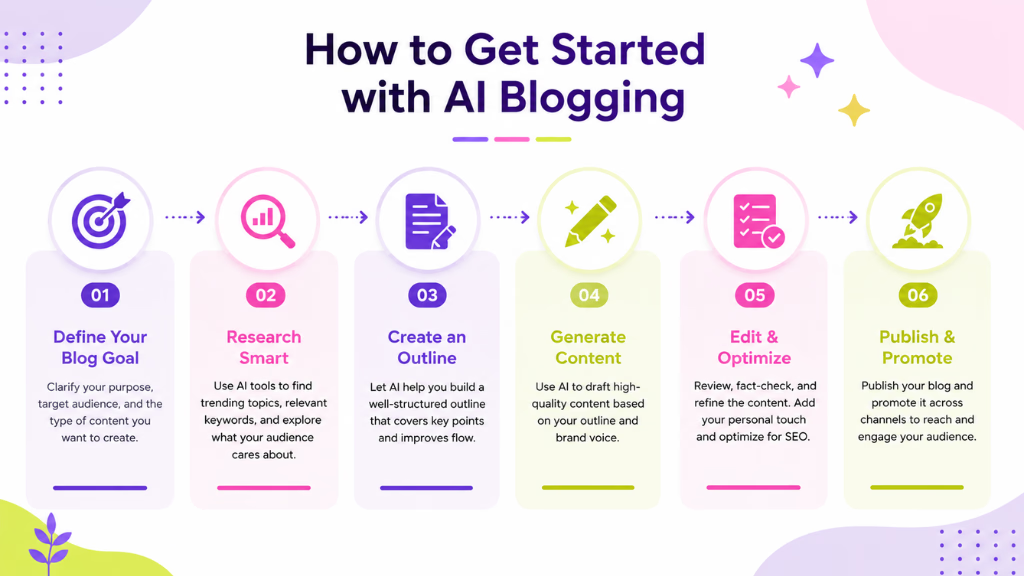
Starting with AI blogging is simpler than it sounds—if you choose the right tools and design a workflow that pairs AI output with thoughtful human input.
Choosing the Right AI Blogging Tools
There are a growing number of AI writing assistants available. For most bloggers and marketers, these options are among the most practical:
- ChatGPT: Good for generating quick drafts or ideation, with conversational outputs.
- Jasper: Popular for long-form blog drafts and marketing content.
- Grammarly and Quillbot: Best for grammar refinement and paraphrasing.
- WriteRush: Excels for WordPress users—with direct in-editor AI content creation, SEO optimization, and workflow integration.
Each tool brings unique features to the table. The right choice depends on your content needs and publishing platform.
A Practical AI Blogging Workflow
Here’s an effective high-level workflow many teams use:
- Ideation: Use AI to research content gaps, generate topic lists, and build draft outlines.
- Drafting: Prompt your tool for a first draft tailored to your niche and SEO goals.
- Editing & Fact-Checking: Always review the AI text—check for accuracy, factual support, tone, and originality.
- Optimization: Leverage AI features for keyword targeting and improving readability.
- Publishing: Integrate with WordPress (tools like WriteRush make this seamless) to draft, schedule, and publish directly from your editor.
Key Tips for Effective AI Blog Content
- Start small: Experiment with one or two posts, focusing on headlines or outlines first.
- Always review, edit, and personalize the content—AI isn’t infallible.
- Continually refine prompts and track SEO performance to improve results.
- Never rely 100% on automation: combine AI strengths with your expertise for the best mix of quality and efficiency.
Seamless WordPress Integration with WriteRush
Integrating AI into your WordPress workflow can be a game-changer for speed and consistency.
Embedding AI Directly in Your Blogging Platform
With WriteRush, you get a native WordPress plugin that places AI content creation tools right inside your blog editor. It means you can:
- Generate post ideas, outlines, and drafts without leaving your WordPress dashboard.
- Edit and optimize posts with AI-powered suggestions on SEO, E-E-A-T guidelines, and readability.
- Maintain your unique brand voice, with built-in checking tools for consistency.
It’s a workflow designed to save time and reduce friction—from research to publication—all within the platform you already use.
Real-World Application Example
Imagine you’re preparing a new post about “travel tips for remote workers.” Instead of toggling between apps, you open your WordPress post editor, click the WriteRush tool, and prompt it for a content outline. Within seconds, you have a structured outline, headline options, and section starters—all in your native editor.
You refine the structure, generate a first draft for each section, and use the integrated editor to adjust tone and keywords. Before publishing, you run a quality and SEO check, ensuring the post aligns with current best practices. You then schedule or publish directly—no copying, pasting, or broken formatting.
WriteRush simplifies every step, helping you focus on strategy and storytelling while automating the repetitive heavy lifting.
Common Mistakes to Avoid in AI Blogging
While AI blogging tools offer massive efficiency gains, they also introduce new risks if not used carefully.
Overreliance on Automation
A common pitfall is publishing AI-generated content without proper human review. This can lead to mistakes, inaccuracies, or bland, generic posts that don’t connect with real readers. Prompt engineering also matters: vague or careless prompts produce low-quality outputs.
SEO & Quality Pitfalls
Many users overlook Google’s evolving E-E-A-T standards, risking content that lacks originality or trustworthiness. Duplicate content or thin, unedited AI outputs can run afoul of search algorithms.
Workflow Hiccups
Some teams fail to integrate their AI tools smoothly with WordPress or their CMS, causing version issues or wasted time. Others fall behind on tool updates, missing new features or optimizations.
The key: Always blend automation with hands-on editing and stay current with both your AI tools and SEO best practices.
Conclusion
AI blogging is reshaping how we create and publish content. By combining smart AI tools with human expertise, bloggers and businesses can deliver more value in less time—without sacrificing quality, trust, or creativity. Whether you’re looking to save hours each week or grow your content’s SEO reach, starting with purpose-built tools is key.
If you’re ready to streamline your workflow and publish confidently, explore integrated solutions like WriteRush inside WordPress. Smarter, faster, and more effective blogging is now within reach—no heroics required.
Frequently Asked Questions
What is AI blogging and how does it work?
AI blogging uses artificial intelligence tools to help research, write, edit, and optimize blog posts. These tools use machine learning to generate drafts, suggest keywords, and improve readability.
Can AI truly write high-quality blog content?
AI can create strong drafts and help with structure, but the best results come when humans review, fact-check, and personalize the final content. AI is a valuable assistant, not a full replacement.
Will Google penalize AI-generated blogs?
No, Google does not automatically penalize AI-generated content. However, content still needs to meet quality, originality, and E-E-A-T standards or it may fail to rank.
What are the best AI blogging tools for WordPress?
Popular choices include WriteRush (for seamless WordPress integration), Jasper, ChatGPT, and Grammarly. WriteRush stands out for in-editor ideation, drafting, and SEO features directly in WordPress.
How can I check if my content is too “AI-like”?
Read your draft aloud and look for robotic phrasing, repetitive structure, or missing personality. Use plagiarism and originality checkers if you’re unsure.
Is human editing still necessary for AI-written posts?
Absolutely. Human review ensures accuracy, context, and brand alignment—and helps catch any errors the AI missed.
How do I integrate AI tools into my current workflow?
Choose tools that work with your platform (like WriteRush for WordPress). Design your process to pair AI output with human editing, SEO checks, and final review before publishing.
Can AI blogging improve my website’s SEO?
Yes, when done correctly. AI tools help with keyword targeting and structure, but you must still produce helpful, accurate, and original content.
Are there legal or ethical risks with AI content?
Potential issues include accidental plagiarism, misinformation, or misuse of copyrighted data. Always review, fact-check, and ensure your content is original and ethical.
What results have others achieved with AI blogging?
Many bloggers and businesses report faster content production, more consistent publishing, and better keyword coverage. The best results come when AI is coupled with strong editorial oversight.
This page was last edited on 29 June 2026, at 3:13 pm