Quick Answer
AI SEO uses artificial intelligence, such as machine learning and natural language processing, to automate and improve search engine optimization tasks, helping websites achieve better rankings more efficiently and adapt to changing algorithms.
Not so long ago, SEO meant late nights with endless spreadsheets, research tabs, and gut feeling calls on what content might rank. Today, the ground is shifting under our keyboards. Google changes its mind seemingly overnight. Manual optimization feels slower and less reliable, especially when competitors are using powerful AI tools that handle everything from keyword research to real-time content optimization.
If you’re a blogger, content marketer, or WordPress site owner, it’s easy to feel left behind. But here’s the good news: AI SEO isn’t about replacing human creativity—it’s about helping you work smarter. In this guide, you’ll see exactly how AI is reshaping search optimization in 2026, how to make it work for your workflow (not against you), and why adopting these new tools can be the key to growing your site—without burning out.
What Is AI SEO and How Does It Work?
AI SEO is the application of artificial intelligence—mainly machine learning, natural language processing, and predictive analytics—to core SEO tasks. These include automated keyword research, content optimization, site audits, link discovery, and ongoing performance analysis.
What’s different about AI-powered SEO versus old-school methods? AI doesn’t just execute rules—it learns. Modern AI tools can analyze search intent, spot content gaps, adapt to new ranking factors, and deliver insights at a speed no human team can match. For WordPress users and marketers, this means you can automate repetitive work, optimize for new types of search experiences (think voice and AI Overviews), and surface SEO opportunities your competitors might miss—all while focusing your human energy on what matters most: your brand, strategy, and audience.
Why AI SEO Matters for Content Creators and Businesses
AI SEO transforms how websites compete for visibility today by automating and enhancing key processes that once took hours each week.
- Automate Tedious Tasks: AI tackles everything from keyword clustering to fixing broken links, freeing up creative time and reducing manual errors.
- Adapt to Search Changes Quickly: When Google or Bing releases new algorithms—like SGE or AI Overviews—AI tools often spot and act on updates faster than human teams can.
- Scale Content and Insights: Modern tools can generate, optimize, and refresh content across dozens or hundreds of pages, letting a single content lead accomplish what once took a team.
- Capture New SERP Features: AI SEO helps sites gain visibility in zero-click areas, voice/assistant search, and rich results—places traditional SEO rarely reached.
- Easy Integration for WordPress: AI-powered plugins bring these capabilities into familiar dashboards, giving bloggers and SMBs the same competitive edge as big brands without extra complexity.
Ultimately, AI SEO lets you keep pace with search—no matter how quickly it evolves.
How to Implement AI SEO: Core Steps and Workflows
To unlock AI SEO’s full advantage, you’ll want to map out an integrated workflow that spans research, content, technical optimization, and measurement. Here’s how leading teams approach it in 2026:
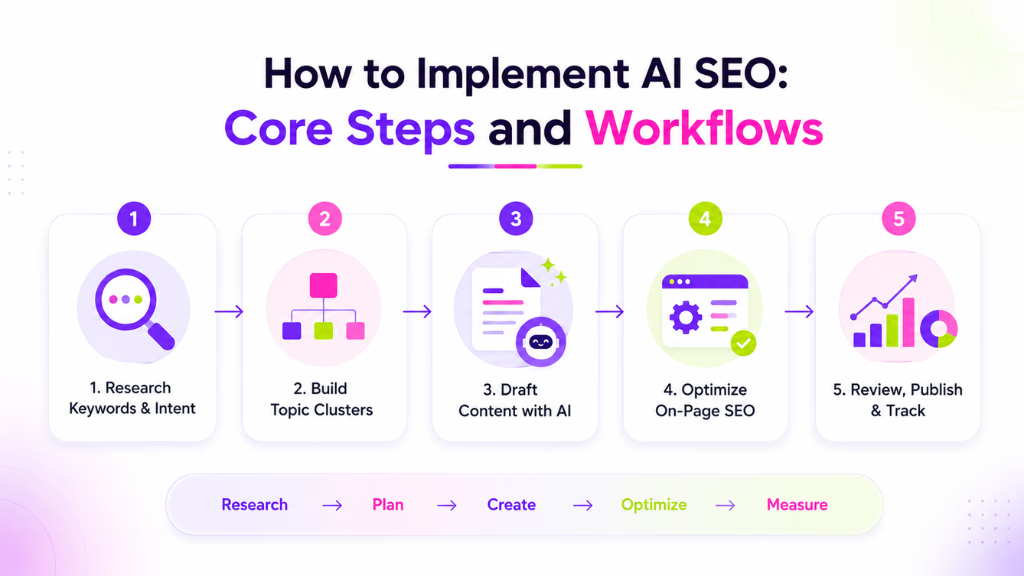
Understanding Search Intent With AI
AI tools now use natural language processing to decode what users actually want—not just what they type. This helps you:
- Pinpoint the “why” behind a keyword.
- Identify topics with high conversion or traffic potential.
- Map queries to content gaps your site can fill.
Streamlining Keyword Research and Topic Clusters
Traditional keyword research is slow and fragmented. AI rewrites the script by:
- Clustering related keywords for “topic authority.”
- Surfacing gaps and content opportunities with real data, not hunches.
- Ranking keywords by intent, difficulty, and strategic value.
Generating and Optimizing Content With AI
The modern workflow goes:
- AI analyzes your site and target SERPs.
- It suggests or drafts topic outlines—complete with sections, schema markup, and internal links.
- Human editors review, align with your brand, and add expert input.
- The content gets optimized for metadata and readability before publishing.
Automating On-Page and Technical SEO
An AI-powered audit can now:
- Crawl sites for broken links, missing metadata, or schema issues.
- Offer fixes with one click.
- Ensure your site stays compliant with the latest ranking factors (mobile-friendliness, page speed, structured data).
Backlink and Outreach Automation
AI tracks your backlink profile, identifies new opportunities, and can even draft outreach messages tailored to each prospect—saving hours on manual link building tasks.
Measuring and Iterating SEO Performance
Modern dashboards use predictive analytics to:
- Track KPIs like organic growth, traffic sources, conversion rates, and ROI.
- Forecast which optimizations are likely to yield the highest returns.
- Identify when outdated content needs a refresh to hold rankings.
AI SEO Tools and Platforms: Choosing What Fits Your Workflow
AI SEO tools have become diverse, focusing on integration, versatility, and transparency. The right tool depends on your workflow, site type, and team size.
What to Look for in AI SEO Tools
- WordPress Integration: Native plugins simplify end-to-end content management.
- Customization: Tools should let you set brand voice, writing style, and workflow preferences.
- Transparent Analytics: Look for platforms that show clear results—what changed, how, and why.
Overview of Major AI SEO Tools
Some of the most recognized names in 2026 include:
- SEMrush and Ahrefs: Known for advanced analytics, large site capabilities, and comprehensive research features.
- Surfer and Writesonic: Focus on AI content generation, topical optimization, and intent-based cluster building.
- WriteRush: Purpose-built for WordPress, it automates research, writing, optimization, and direct publishing—all from within your dashboard.
| Tool | Target User | WordPress Integration | Key Features | Pricing | Pros | Cons |
|---|---|---|---|---|---|---|
| WriteRush | Blogger/SMB/Agency | Full (native plugin) | Research, write, optimize | Low-Mid | End-to-end WP workflow | Focused on WordPress users |
| SEMrush | Agency/Large Site | Partial (API/tools) | Deep analytics, audit, trends | High | Enterprise depth | Learning curve, price |
| Ahrefs | Agency/Marketer | Partial (API/tools) | Backlink data, keywords | High | Link/database strength | Less WP focus |
| Surfer | Blogger/Marketer | Yes (plugin) | AI briefs, SERP clustering | Mid | Fast AI content, clusters | Limited technical SEO |
| Writesonic | Blogger/SMB | Yes | Content AI, chatbot support | Low-Mid | Fast drafts, versatility | Variable quality, credits |
Optimizing AI SEO on WordPress: Workflows and Best Practices
WordPress users often wrestle with plugin overload, slow updates, and manual optimization that just doesn’t scale—especially as SEO grows more complex.
Why WordPress Users Need Seamless AI SEO
Content teams and bloggers working in WordPress typically run up against:
- Cumulative plugin bloat causing site drag.
- Workflow friction between research, writing, and publishing.
- Hours spent updating metadata, schema, or links post-publish.
A seamless, AI-powered approach removes these headaches by turning WordPress into a true all-in-one SEO platform.
Implementing AI SEO on WordPress With WriteRush
Here’s a quick walkthrough of a modern, AI-driven workflow using a native plugin like WriteRush:
- Install WriteRush from your WordPress dashboard (no code or external logins).
- Set up content profiles (brand voice, goals, style).
- Run AI-powered audits—spot technical issues, outdated posts, and internal link opportunities.
- Research keywords and draft outlines directly in the editing window.
- Publish fully optimized posts—WriteRush automates meta tags, schema, and structured data, so Google and Bing “get it” faster.
This workflow shrinks days of work into hours or less, helping both solo bloggers and agencies keep up (and get ahead) without sacrificing quality or originality.
Real-World Use Cases
- Blogger: Automates an entire week’s content—from ideas to publishing—without toggling between tools.
- Agency: Streamlines bulk optimization for multiple clients, reporting results directly in each WordPress backend.
- Small Business: Keeps websites up-to-date after every Google update by rerunning audits and updating in bulk.
WriteRush acts as both your AI assistant and workflow coordinator, removing manual blockers and freeing up creative time.
Common Pitfalls and Myths About AI SEO
While AI SEO is a powerful accelerator, it’s not a magic bullet—and believing otherwise can cause missed opportunities or risk.
- Over-Reliance on Automation: AI can surface opportunities, but human oversight ensures brand, nuance, and relevance aren’t lost.
- Ignoring Data Privacy and Content Originality: Always verify AI-generated content for uniqueness and compliance.
- Set-and-Forget Mentality: Regular audits and updates are critical as algorithms and search behavior change rapidly.
- Believing AI Can Fully Replace Human Creativity: Strategic direction, storytelling, and voice remain a human advantage.
- Neglecting Integration Quality: Use AI tools that fit your site’s needs—choosing the wrong one can cause workflow drag rather than speed.
In our experience, the best outcomes emerge from pairing AI power with sharp, human decision-making.
AI SEO in 2026 and Beyond: Future-Proofing Your Strategy
Search landscapes are evolving as engines prioritize AI Overviews, zero-click answers, and conversational search. To stay relevant, your strategy needs to anticipate these shifts:
- Prepare for New SERP Formats: Optimize for spaces beyond the classic blue link—think answer cards, featured snippets, and SGE results.
- Move Beyond Basic Keywords: GEO (Generative Engine Optimization) and AEO (Answer Engine Optimization) focus on meeting information needs, not just matching search terms.
- Prioritize Continuous Content Maintenance: Tools like WriteRush handle site-wide audits, freshen content, and help your site adapt to AI-generated results and new ranking factors.
- Stay Ahead With Ongoing Learning: The world of SEO won’t stop changing. Build processes for regular review and adaptation.
Adopting AI SEO today isn’t about chasing trends—it’s about building resilience into your growth engine.
Conclusion
AI SEO has become the essential engine behind modern search success. Leveraging AI tools and smart workflows lets you scale content, adapt to algorithm shifts, and future-proof your site for whatever search brings next.
If you’re ready to transform your WordPress optimization journey, exploring solutions like WriteRush can help you automate the hard parts—so you can focus on what makes your content truly matter.
Frequently Asked Questions
What is AI SEO and how does it work?
AI SEO uses artificial intelligence to automate and improve tasks like keyword research, content optimization, and technical audits, making your site more competitive and reducing manual effort.
How is AI changing traditional SEO practices?
AI is shifting SEO from manual, guess-based tactics to data-driven workflows that adapt quickly to search algorithm changes and user behaviors, making optimization faster and more accurate.
What are the benefits of using AI for SEO?
Using AI in SEO saves time, scales content efforts, improves accuracy, and uncovers insights that manual processes often miss, allowing both small and large sites to compete more effectively.
Can AI tools fully automate the SEO process?
AI tools can automate many tasks, but full automation isn’t advisable; human review ensures quality, strategy, and brand voice stay consistent and compliant.
Which AI SEO tool is best for WordPress integration?
WriteRush stands out for native WordPress integration, offering automated research, writing, optimization, and publishing directly inside your dashboard.
How do I use AI to find effective keywords?
AI-powered research tools analyze large volumes of search data, cluster keywords by intent, and suggest opportunities matched to your content and audience priorities.
Is AI SEO suitable for small businesses and bloggers?
Yes—modern plugins and SaaS platforms make advanced AI SEO workflows accessible to anyone, regardless of team size or technical expertise.
What’s the difference between AI SEO and traditional SEO?
Traditional SEO relies on manual research, slow updates, and intuition; AI SEO uses machine learning to automate, scale, and adapt optimization for rapidly evolving search engines.
How do I measure the ROI of AI-powered SEO?
Track key performance indicators such as organic traffic growth, keyword rankings, conversion rates, and time saved on manual tasks. AI dashboards often provide predictive analytics for measuring ROI.
What are the risks or limitations of relying on AI for SEO?
Risks include over-automation, loss of originality, privacy concerns, and tool lock-in. Combine AI’s speed with human guidance for best results.
This page was last edited on 29 June 2026, at 3:33 pm