The most effective social media content calendar ideas share one thing in common: they eliminate the daily panic of figuring out what to post. According to Sprout Social, marketers who use content calendars report significantly higher consistency and engagement rates compared to those who post spontaneously.
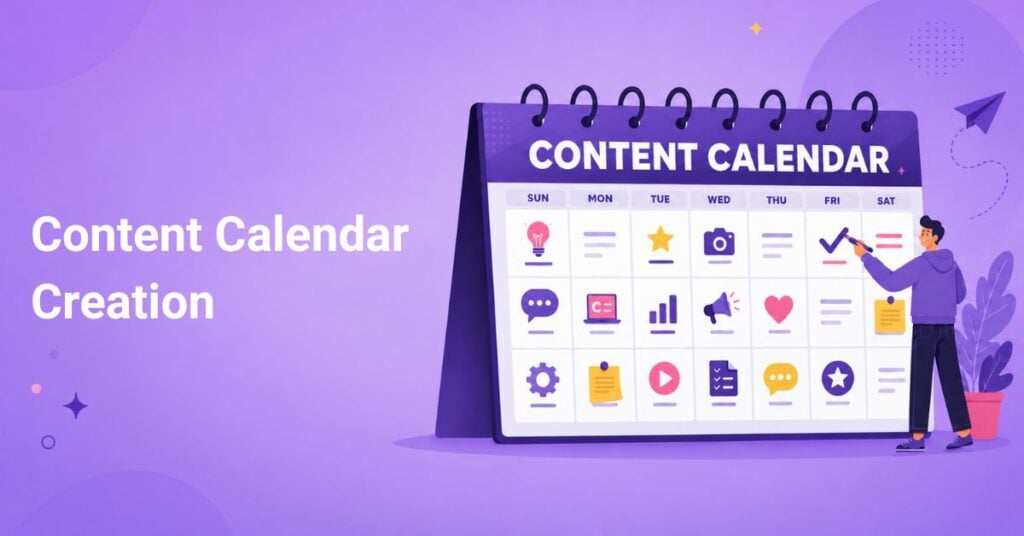
Think of your content calendar as a GPS for your social strategy. Without it, you’re driving aimlessly, hoping to stumble upon engagement. With it, you have a clear route mapped out weeks in advance.
A well-structured calendar does more than organize posts; it aligns your content with marketing goals, tracks performance metrics, and ensures your team stays accountable. Research from Hootsuite indicates that brands maintaining consistent posting schedules see up to 40% higher audience retention.
- Reduces last-minute scrambling: Plan content during focused work blocks instead of reactive posting
- Improves content quality: More time for research, design, and thoughtful copywriting
- Enables strategic alignment: Connect daily posts to quarterly business objectives
- Facilitates team collaboration: Everyone sees deadlines, responsibilities, and approval status
The themed approach you’ll explore in this guide, assigning specific content types to each day, creates a predictable rhythm your audience learns to anticipate. When followers know Tuesdays bring tutorials and Fridays feature customer spotlights, they’re more likely to return. That predictability builds trust.
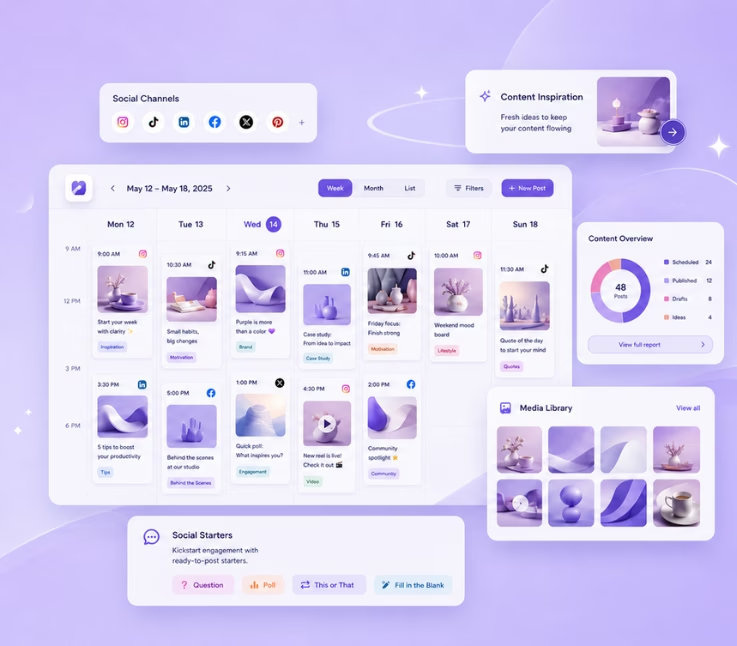
Your social media content calendar ideas should include columns for date, platform, copy, media files, hashtag groups, calls-to-action, and status tracking. This structure transforms chaotic brainstorming into a repeatable system that scales with your workload.
Motivation Monday: Inspire Your Audience with Quotes
Starting your week with inspirational content sets a positive tone that resonates deeply with audiences craving encouragement. Motivation Monday posts consistently rank among the highest-engagement content types, with Buffer reporting that quote graphics generate 847% more shares than standard promotional posts.
You’re not just sharing pretty words, you’re creating a weekly touchpoint that positions your brand as a source of genuine value. A fitness brand might share quotes about perseverance, while a B2B software company could highlight productivity wisdom from industry leaders. The key is relevance to your audience’s aspirations.
One marketing agency tested this approach for three months. They posted motivational quotes every Monday featuring their clients’ success stories alongside inspirational messaging. The result? A 32% increase in Monday engagement compared to their previous random posting schedule.
- Best for: Brands wanting to humanize their presence and build emotional connections
- Ideal when: Your audience includes professionals facing weekly challenges or entrepreneurs needing encouragement
However, this approach has limitations. Overused or generic quotes can feel hollow and damage credibility. If your brand voice is highly technical or formal, motivational content may seem off-brand. Consider this if your audience responds better to data-driven content than emotional appeals.
Next step: Create a swipe file of 20 industry-relevant quotes this week and schedule four Mondays in advance using these social media content calendar ideas.
Tutorial Tuesday: Share Educational How-To Videos
While motivational content builds emotional connection, Tutorial Tuesday establishes your expertise through practical demonstrations. Educational how-to videos address the questions your customers actually ask, and according to Socialinsider, tutorial carousels and short-form videos rank among the most engaging content formats across Instagram, LinkedIn, and TikTok.
You’re solving real problems, not just filling feed space. A skincare brand might demonstrate proper serum application techniques. A project management tool could show keyboard shortcuts that save hours weekly. These social media content calendar ideas transform your expertise into shareable assets.
The format flexibility here is remarkable. Short 30-second clips work perfectly for Instagram Reels and TikTok, while longer step-by-step breakdowns suit YouTube and LinkedIn. One SaaS company repurposed its customer support FAQ into 12 tutorial videos, reducing support tickets by 18% while increasing social engagement.
- Best for: Brands with products or services requiring demonstration or explanation
- Ideal when: Your audience frequently asks “how do I…” questions in comments or support channels
The honest trade-off? Quality tutorial content requires more production time than static posts. If you’re a solo marketer without video editing skills, this theme may feel overwhelming. Not recommended for brands without clear educational value to offer, forced tutorials feel inauthentic.
Next step: List your five most common customer questions and script one tutorial video this week.
Wellness Wednesday: Promote Health and Self-Care Tips
Building on educational content, Wellness Wednesday shifts focus to your audience’s personal well-being, a topic that transcends industry boundaries. This theme works because it acknowledges your followers as complete humans, not just potential customers.
Research consistently shows that brands demonstrating genuine care for audience wellbeing build stronger loyalty. You might share ergonomic desk setup tips, mental health resources, or simple stress-reduction techniques relevant to your industry. A financial services company could post about reducing money anxiety, while a tech brand might address digital detox strategies.
These social media content calendar ideas tap into a universal desire for balance. One e-commerce brand tested wellness content for six weeks, sharing self-care tips every Wednesday. Their engagement rate increased by 27%, and they received numerous direct messages thanking them for the content, something promotional posts never generated.
- Best for: Brands wanting to build community and demonstrate values beyond selling
- Ideal when: Your audience includes busy professionals, parents, or anyone juggling multiple responsibilities
Consider this carefully: wellness content can feel performative if your brand doesn’t genuinely prioritize these values internally. If your company culture contradicts wellness messaging, audiences will notice the disconnect. Not recommended for brands uncomfortable discussing topics beyond their core products.
Next step: Identify three wellness topics that authentically connect to your brand values and draft one post.
Throwback Thursday: Engage with Nostalgic Content
Nostalgia is a powerful engagement driver that Throwback Thursday harnesses perfectly. This theme invites your audience to reminisce while showcasing your brand’s journey, evolution, and authentic history.
You’re creating emotional resonance through shared memories. A restaurant might post photos from its opening day. A software company could show screenshots of its first interface compared to today’s version. These social media content calendar ideas humanize your brand by revealing the story behind the polished exterior.
According to marketing research, nostalgic content triggers positive emotional responses that increase brand affinity. One retail brand shared throwback photos of their original storefront every Thursday for two months. Comments flooded in from long-time customers sharing their own memories, creating organic community engagement that no promotional post could replicate.
- Best for: Established brands with a visual history to share or companies celebrating milestones
- Ideal when: Your audience includes loyal customers who’ve witnessed your brand’s evolution
The limitation here is obvious: newer brands lack throwback material. If your company launched recently, this theme may feel forced. Consider this if you’re uncomfortable sharing imperfect early-stage content: authenticity requires vulnerability. Not recommended for brands without archival photos or meaningful historical moments.
Next step: Dig through company archives or old phones for authentic throwback content and schedule your first post.
Feature Friday: Highlight Products and User-Generated Content
After a week of educational and emotional content, Feature Friday provides the perfect opportunity to showcase what you actually sell, without feeling overly promotional. This theme balances business goals with audience value by highlighting products through the lens of customer experiences.
User-generated content is particularly powerful here. According to industry benchmarks, UGC posts generate 4x higher click-through rates than brand-created content alone. When customers see real people using your products, trust increases dramatically. You’re letting satisfied customers do the selling for you.
These social media content calendar ideas work because they feel earned. You’ve provided value all week; now you’re simply showing how your offerings fit into customers’ lives. One outdoor gear company featured customer adventure photos every Friday, tagging the original creators. Their UGC submissions increased by 156% within three months as customers hoped to be featured.
- Best for: Product-based businesses with active customer communities or visually appealing offerings
- Ideal when: You have a steady stream of customer photos, reviews, or testimonials to draw from
However, this approach requires consistent UGC flow. If customers rarely share content featuring your brand, you’ll struggle to maintain this theme. Consider this if your products aren’t visually compelling or your customer base is less active on social media. Not recommended without a clear system for collecting and crediting user content.
Next step: Create a branded hashtag and encourage customers to share their experiences for potential feature opportunities.
Social Saturday: Foster Community with Interactive Posts
Weekends shift audience behavior; people have more time to engage, comment, and participate. Social Saturday capitalizes on this by prioritizing interactive content that sparks conversation rather than passive consumption.
Polls, quizzes, and question stickers transform followers into active participants. LinkedIn data shows that polls generate the deepest average impressions of any post type on the platform. You’re not just broadcasting, you’re inviting dialogue that algorithms reward with increased visibility.
These social media content calendar ideas build a genuine community. One B2B marketing agency posts “this or that” polls every Saturday, comparing industry tools, strategies, and trends. Engagement tripled compared to their standard posts, and the poll results provided valuable audience insights for future content planning.
- Best for: Brands seeking to understand audience preferences while boosting engagement metrics
- Ideal when: Your followers are active on weekends and enjoy sharing opinions
“Interactive content doesn’t just boost engagement, it provides free market research while making followers feel heard.”
The trade-off? Interactive content requires monitoring and response. If you can’t engage with comments and poll results, the community-building benefit diminishes. Consider this: if your team doesn’t work weekends, scheduled posts without real-time interaction feel hollow. Not recommended for brands uncomfortable with open-ended audience feedback.
Next step: Draft three poll questions relevant to your industry and schedule them for the next three Saturdays.
Spotlight Sunday: Showcase Influencers and Partnerships
Wrapping up the week, Spotlight Sunday celebrates the relationships that strengthen your brand, influencer collaborations, strategic partnerships, and industry connections. This theme extends your reach by tapping into partners’ audiences while demonstrating credibility through association.
Influencer collaborations represent a distinct category of social media content that bridges brand values with creator authenticity. When you spotlight a partner, you’re essentially borrowing their trust with their audience. According to Socialinsider, influencer collaboration posts often outperform standard brand content in both engagement and reach.
These social media content calendar ideas create mutual value. One skincare brand featured a different micro-influencer every Sunday, sharing their honest product experience. The influencers reshared to their audiences, and the brand gained exposure to 50,000+ new potential customers monthly without paid advertising.
- Best for: Brands with active influencer programs or strategic partnerships worth highlighting
- Ideal when: You’re building relationships with creators or complementary businesses in your space
But here’s the reality check: influencer content requires established relationships. If you’re starting from zero partnerships, this theme won’t work immediately. Consider this if your industry lacks relevant influencers or your budget doesn’t support collaboration. Not recommended without clear partnership agreements regarding content usage and attribution.
Next step: Identify three potential micro-influencers in your niche and reach out about collaboration opportunities.
Incorporating Timely Events and Holidays in Your Calendar
Beyond themed daily content, strategic event planning separates reactive marketers from proactive ones. Mapping holidays, industry conferences, and cultural moments in advance ensures your content feels timely rather than scrambled together at the last minute.
According to Agility PR Solutions, content aligned with key dates generates significantly higher engagement because audience interest is already elevated. You’re meeting people where their attention naturally flows. A tax software company posting during tax season or a fitness brand capitalizing on New Year’s resolution energy, timing amplifies impact.
These social media content calendar ideas require advance planning. Start by building a master list of fixed dates: product launches, annual events, and industry conferences. Then layer in relevant holidays and awareness days. One e-commerce brand mapped its entire year’s promotional calendar in January, allowing three months of content preparation before each major campaign.
| Event Type | Planning Lead Time | Content Examples |
|---|---|---|
| Major holidays | 4-6 weeks | Themed graphics, special offers, gratitude posts |
| Industry conferences | 2-3 weeks | Live coverage, key takeaways, networking recaps |
| Product launches | 6-8 weeks | Teasers, countdown posts, launch day announcements |
| Awareness days | 1-2 weeks | Educational content, brand position statements |
The limitation? Over-relying on holidays can make your content feel generic. Not every awareness day deserves your brand’s attention. Consider this: if the connection between your brand and a holiday feels forced, audiences detect inauthenticity quickly.
Next step: Download a marketing holiday calendar and highlight the 10 dates most relevant to your audience.
Utilizing Evergreen Content for Consistent Posting
While timely content captures moments, evergreen content provides the backbone of a sustainable social media content calendar. These are assets that remain relevant regardless of when they’re posted, foundational resources you can reshare repeatedly without feeling stale.
According to AHCA/NCAL’s content calendar guide, maintaining a separate evergreen content repository ensures you’re never scrambling when the content pipeline runs low. High-performing blog posts, infographics, and tutorial videos can be reshuffled and reintroduced to new followers who missed them initially.
The beauty of evergreen content lies in its compounding value. One marketing consultant created 15 evergreen carousel posts explaining fundamental concepts in their field. They rotate these posts quarterly, consistently generating engagement from new followers while reinforcing expertise with existing ones.
- Blog post excerpts: Pull key insights and link back to full articles
- FAQ responses: Answer common questions with shareable graphics
- How-to guides: Step-by-step processes that remain accurate over time
- Industry statistics: Data visualizations updated annually with fresh numbers
However, evergreen doesn’t mean “post and forget.” Content requires periodic updates to remain accurate. Consider this if your industry changes rapidly, yesterday’s best practice might be today’s outdated advice. Not recommended without a system for reviewing and refreshing evergreen assets at least quarterly.
Next step: Audit your existing content and identify five pieces that could be reformatted as evergreen social posts.
Leveraging Trending Hashtags for Greater Reach
Evergreen content provides stability, but trending hashtags offer explosive reach opportunities when executed strategically. These social media content calendar ideas balance planned content with real-time relevance by reserving calendar slots for trend participation.
Hashtag strategy extends beyond simply adding popular tags to posts. According to Asana’s social media calendar template guidance, organizing hashtags by category, industry-specific, trending, and branded creates a systematic approach to discoverability. You’re not guessing which tags might work; you’re deploying tested combinations.
One tech startup reserves every Wednesday afternoon for trend monitoring. When relevant hashtags emerged, they quickly created content connecting their expertise to the conversation. This approach generated their highest-reach post ever, a thread connecting a viral industry debate to their product’s unique approach.
“Trending hashtags are like open doors to larger conversations. Your job is to walk through with something valuable to contribute.”
The risk here is significant: forced trend participation damages credibility. If your brand has no authentic connection to a trending topic, silence is better than awkward insertion. Consider this if your approval process is too slow for real-time content: trends expire quickly. Not recommended for brands uncomfortable with spontaneous posting or those in highly regulated industries.
Next step: Set up hashtag monitoring for five industry-relevant terms and create a rapid-response content template.
Creating a Content Repository for Easy Access
Strategic hashtag use requires quick access to relevant content, which brings us to the organizational foundation underlying all effective social media content calendar ideas. A content repository centralizes your assets, making rapid deployment possible.
According to AHCA/NCAL’s social media guide, your repository should house commonly-promoted website content, media files, approved copy variations, and hashtag groups in one accessible location. When opportunity strikes, you’re not searching through scattered folders; everything lives in a single, organized system.
The repository structure matters as much as the content itself. Include columns for content type, target platform, expiration date (for time-sensitive material), performance history, and last-used date. One agency built its repository in Notion, tagging every asset by theme, platform, and campaign. Content creation time dropped by 40% because team members could quickly locate and adapt existing materials.
- Media library: Organized photos, videos, and graphics with clear naming conventions
- Copy bank: Pre-approved captions, CTAs, and hashtag groups by category
- Template collection: Branded templates for quotes, announcements, and promotions
- Performance log: Historical engagement data informing future content decisions
The limitation? Repositories require maintenance. Without regular updates and organization, they become digital junk drawers. Consider this if your team lacks the discipline for ongoing curation. Not recommended without clear ownership, someone must be responsible for repository hygiene.
Next step: Choose a repository tool (Notion, Airtable, or Google Drive) and create your initial folder structure this week.
Tracking and Analyzing Content Performance
A well-organized repository enables consistent posting, but tracking performance reveals what actually works. These social media content calendar ideas only deliver results when paired with systematic analysis that informs future decisions.
According to Sprout Social, essential metrics include engagement rates, reach, click-through rates, and conversions for each post type. Your calendar should evolve based on this data, doubling down on high performers and retiring content that consistently underperforms.
One e-commerce brand discovered through analysis that their Tutorial Tuesday posts generated 3x more website traffic than any other content type. They increased tutorial frequency and created a dedicated video series, resulting in a 45% increase in organic social traffic over six months. Data drove the decision.
| Metric | What It Reveals | Action to Take |
|---|---|---|
| Engagement rate | Content resonates with the audience | Replicate high-engagement formats |
| Click-through rate | Effectiveness of CTAs | Test different call-to-action approaches |
| Reach | Content discoverability | Analyze hashtag and timing patterns |
| Conversions | Business impact | Prioritize conversion-driving content types |
The honest limitation: analysis requires time and analytical skills. If you’re posting without ever reviewing performance, you’re operating blind. Consider this if your team lacks bandwidth for regular reporting; even monthly reviews provide valuable insights. Not recommended without clear KPIs tied to business objectives.
Next step: Set up a monthly performance review meeting and create a simple dashboard tracking your top five metrics.
Repurposing Content Across Different Platforms
Performance analysis often reveals that certain content deserves wider distribution, which is where strategic repurposing maximizes your social media content calendar ideas. You’re not creating more content; you’re extracting more value from what already works.
According to Buffer’s repurposing guide, effective adaptation means reshaping content to feel native to each platform rather than simply cross-posting identical material. A LinkedIn article becomes a Twitter thread with adjusted hooks. A YouTube tutorial transforms into Instagram Reels clips. The core message remains; the format evolves.
One content creator documented their repurposing workflow: every long-form blog post generated a LinkedIn article, three Twitter threads, five Instagram carousel slides, and one short-form video. Total creation time increased by only 30%, but reach expanded by 400% across platforms.
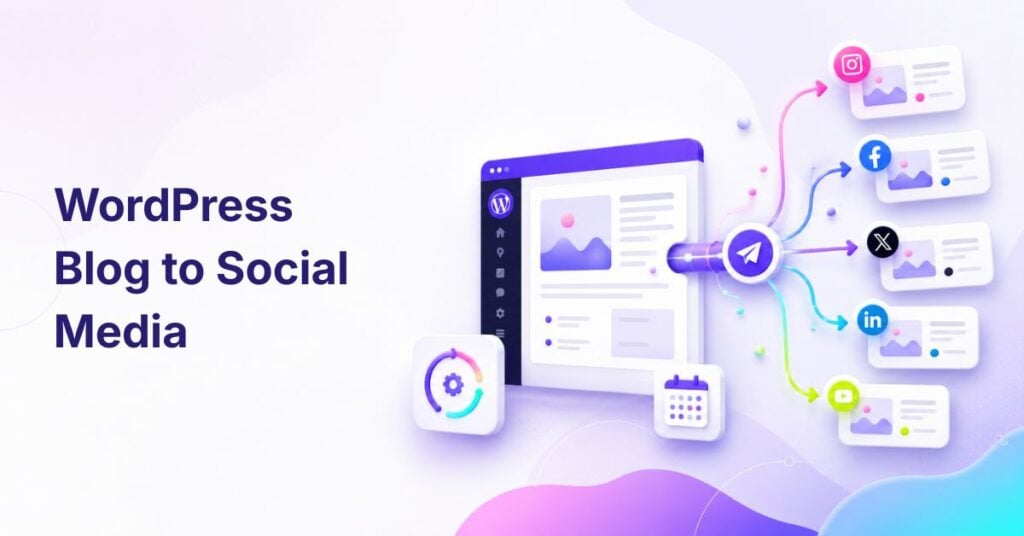
- Blog to social: Extract key insights as quote graphics or carousel slides
- Video to audio: Strip audio for podcast episodes or audiograms
- Long-form to short-form: Clip highlight moments for Reels, TikTok, and Shorts
- Text to visual: Transform statistics into shareable infographics
The trade-off? Repurposing requires understanding platform nuances. Content that thrives on LinkedIn may flop on TikTok without significant adaptation. Consider this: if your team lacks multi-platform expertise, poor adaptation damages brand perception. Not recommended without clear guidelines for platform-specific formatting and tone.
Next step: Select your highest-performing content piece from last month and create three platform-specific variations.
Conclusion: Building a Dynamic Social Media Content Calendar
The social media content calendar ideas explored throughout this guide share a common thread: they transform reactive posting into strategic communication. From Motivation Monday’s emotional connection to Tutorial Tuesday’s expertise demonstration, each themed approach serves a specific purpose within your broader marketing goals.
What separates successful implementation from abandoned calendars? Flexibility paired with consistency. Your calendar should establish predictable rhythms, with audiences anticipating Friday product features or Saturday polls, while leaving room for trending topics and real-time opportunities. The evergreen repository and content repurposing strategies ensure you’re never starting from scratch, even during the busiest weeks.
The performance tracking and analysis framework connects daily posting to measurable business outcomes. Without this feedback loop, you’re guessing. With it, every post becomes data informing your next decision.
Your immediate next step: Block two hours this week to map your first month using these social media content calendar ideas. Assign themes to each day, identify three holidays worth planning for, and create your initial content repository structure. Start simple, a Google Sheet with columns for date, platform, content type, copy, and status works perfectly. Sophistication comes later; consistency starts now.
This page was last edited on 7 May 2026, at 10:16 am